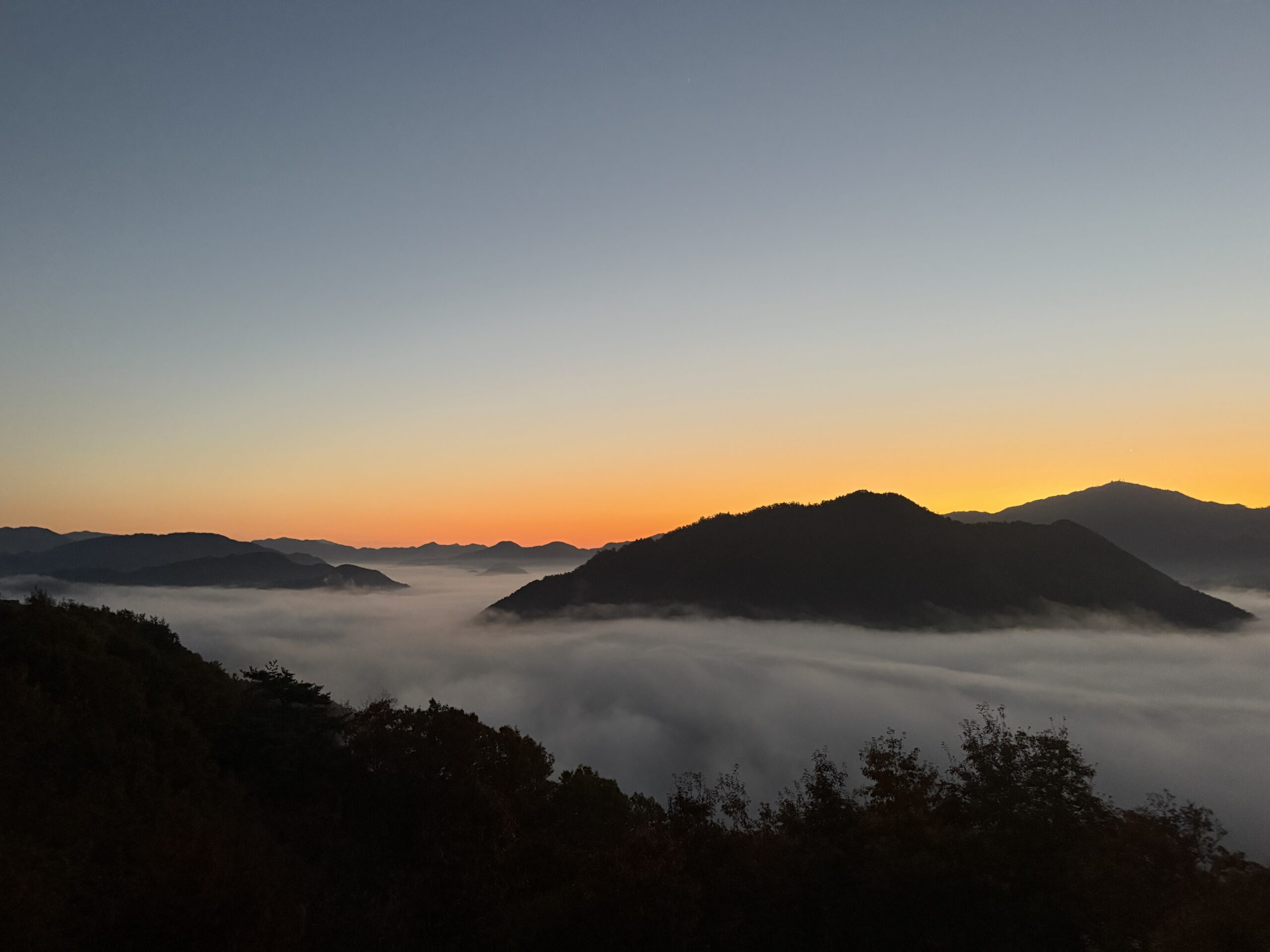
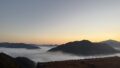
Nicknamed “The Castle in the Sky,” Takeda Castle is one of Japan’s most dramatic sunrise destinations. During autumn and early winter, the ruins float above a vast sea of clouds, creating a surreal landscape that attracts photographers and travelers from around the world. This guide gives you everything you need to plan a successful visit during the peak unkai (sea of clouds) season.
- 1. What Makes Takeda Castle Special?
- 2. Sea of Clouds Season (2024–2025)
- 3. High-Season Logistics (Important!)
- 4. Access & Route Strategy
- 5. Entrance & Opening Hours
- 6. Photo Strategy for the Best Shot
- 7. Practical Tips
- 8. Nearby Attractions & Suggested Itineraries
- 9. Map(Google Maps)
- 10. Useful Resources
- Conclusion
1. What Makes Takeda Castle Special?
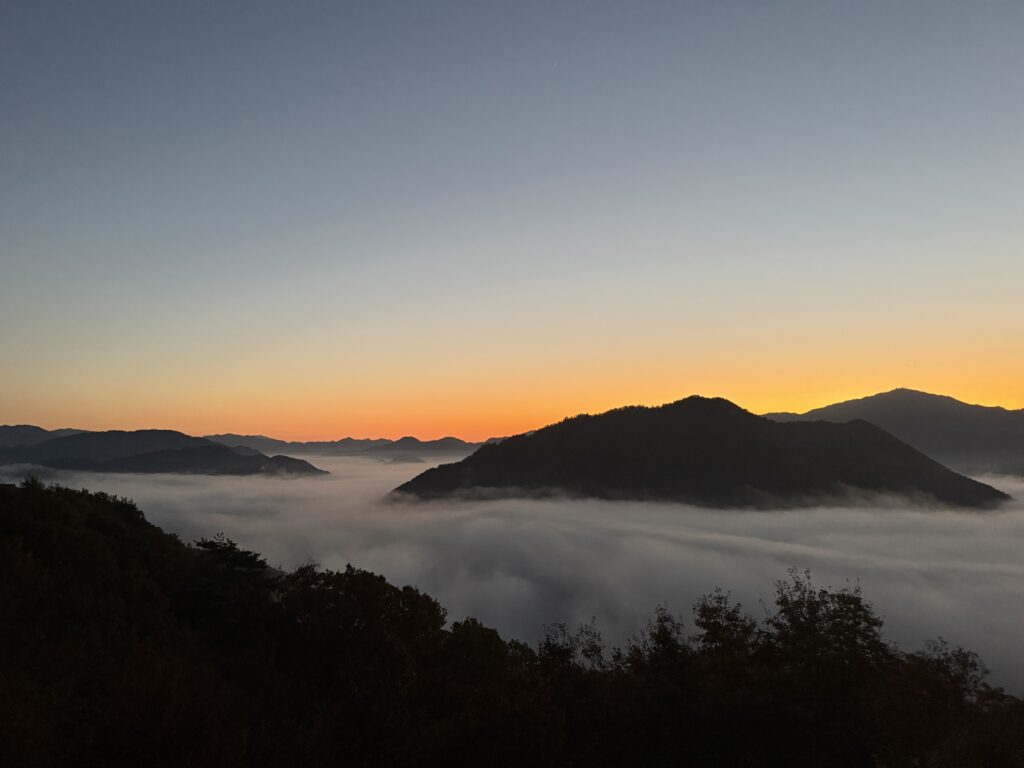
Takeda Castle sits atop a mountain ridge in Hyōgo Prefecture at an elevation of about 353 meters. When temperature and humidity conditions align, thick fog fills the valley while the stone walls stand above the cloud layer. The result feels like a scene from a fantasy film—silent, elevated, and entirely detached from the modern world.
For photographers, the best vantage point is across the valley at Ritsuunkyo (立雲峡), which provides the full silhouette of the “floating castle.”
2. Sea of Clouds Season (2024–2025)
The unkai (sea of clouds) typically appears:
- Late September to early December
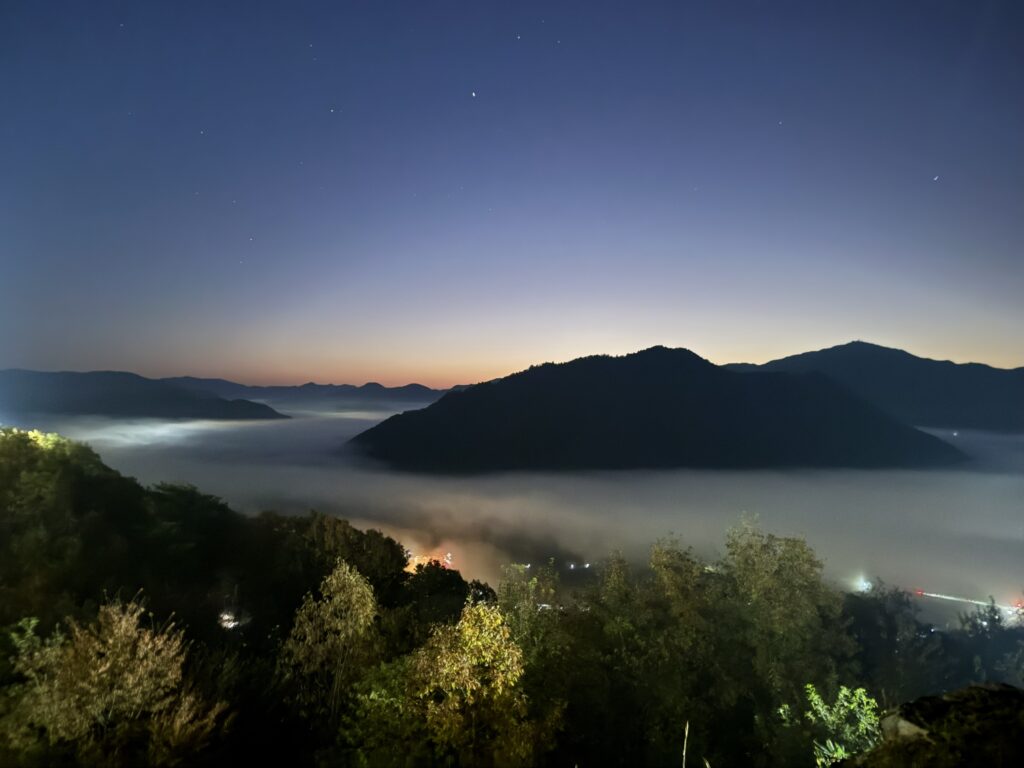
- Best time: around sunrise (approximately 5:30–7:00 depending on date)
- Highest probability when: clear night + cold morning + high valley humidity
A widely used forecast tool is the Unkai Forecast website: Unkai Forecast (雲海予報). It’s not official meteorology, but it’s practical for photographers planning pre-dawn shoots.
3. High-Season Logistics (Important!)
During the peak cloud season, visitor volume spikes on weekends and holidays. Key operational notes:
- The main parking lot (Yamajiro-no-Sato) frequently fills by ~4:00 AM.
- Late arrivals are often redirected to Parking Lots 2 & 3.
- Temporary shuttle buses run from secondary lots and drop visitors near the paved approach trail.
- Early arrival (before 4:00 AM) is strongly recommended if you want choice of parking and viewpoint.
4. Access & Route Strategy
There are several practical ways to approach the castle and viewpoints. Choose based on fitness, timing, and photo goals.
A. By Train
Arrive via JR Takeda Station (Bantan Line). From the station you can taxi to the trailheads or walk to local shuttle pickup points.
B. Main Access Routes
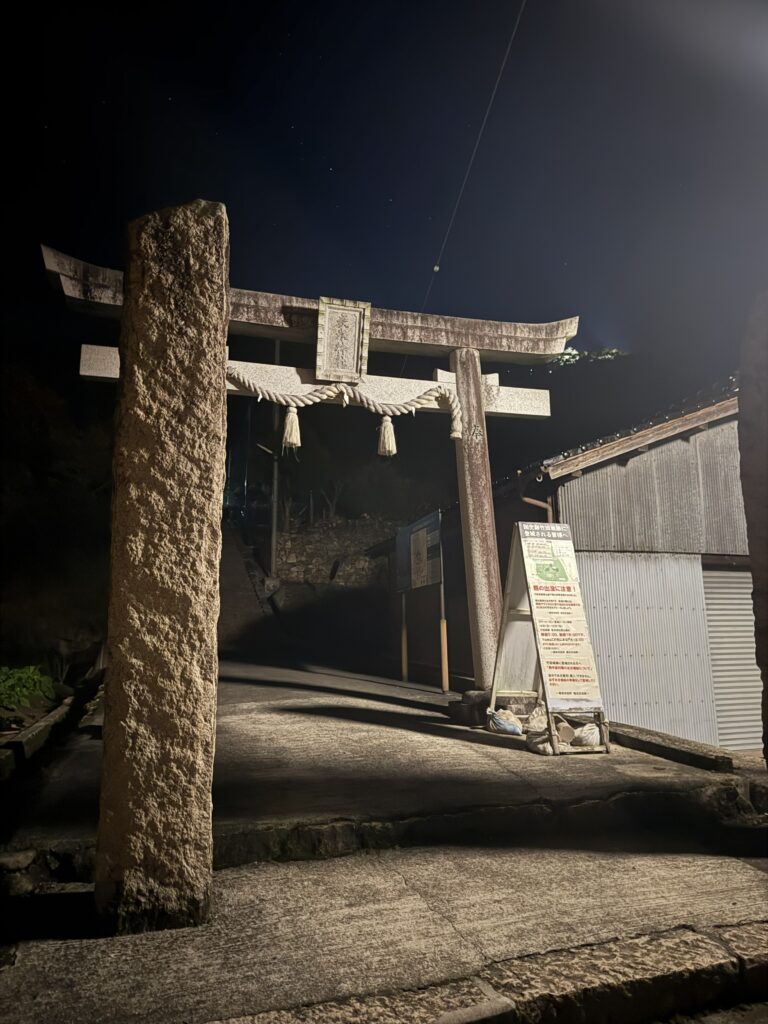
1) Omote-Tomei Shrine Route (表米神社ルート)
- Gate is locked until 5:00 AM—plan your timing accordingly.
- Trail is dark and uneven—bring a strong headlamp (phone light is insufficient).
- No toilets on the route—use facilities before starting.
- If you keep a steady pace without stops, you can reach the castle entrance in ~15 minutes.
This route is the fastest on-foot approach to the castle and favored by photographers who want to enter the ruins before sunrise.
2) Ritsuunkyo Viewpoint (立雲峡)
Ritsuunkyo provides the canonical wide-shot of Takeda Castle above the clouds. It has three observation levels—the third level is the most coveted. The approach includes a paved uphill road and a short mountain path. During high season, shuttle buses shorten the initial paved section.
5. Entrance & Opening Hours
- Admission: typically around 500 JPY (seasonal)
- Hours: often aligned with sunrise to late afternoon; check local notices
- Access may be restricted or closed in adverse weather conditions
6. Photo Strategy for the Best Shot
- Be at Ritsuunkyo before blue hour to secure space on the third viewpoint.
- Use a tripod—platforms fill quickly during peak mornings.
- Recommended lenses: wide-angle to mid-tele (24–70mm).
- Drone photography is strictly prohibited—respect local regulations.
7. Practical Tips
- Sturdy footwear and warm clothing are essential for pre-dawn hikes.
- Bring headlamp/strong torch if using Omote-Tomei Shrine route.
- Plan restroom use before the ascent—facilities are limited.
- Observe good photography etiquette: avoid shining lights at other shooters and keep noise low.
8. Nearby Attractions & Suggested Itineraries
Combine Takeda Castle with nearby cultural stops to make a full-day trip:
- Takeda Castle Town—historic streets and local cuisine
- Izushi Castle Town (Tajima’s “Little Kyoto”)
- Kinosaki Onsen—for an evening hot-spring stay
9. Map(Google Maps)


10. Useful Resources
Unkai Forecast (雲海予報) — community-driven cloud-sea predictions used by photographers and local guides.
Conclusion
Takeda Castle rewards those who embrace early mornings, cold winds, and a bit of mountain grit. Whether wrapped in clouds or revealed under a clear sky, the ruins always feel sacred and monumental. Use this guide to plan timing, routes, and equipment—and you’ll be set to witness one of Japan’s most cinematic landscapes.
Keywords: Takeda Castle, Sea of Clouds, Unkai, Ritsuunkyo, Takeda Castle access, Takeda Castle photo spots
Comments