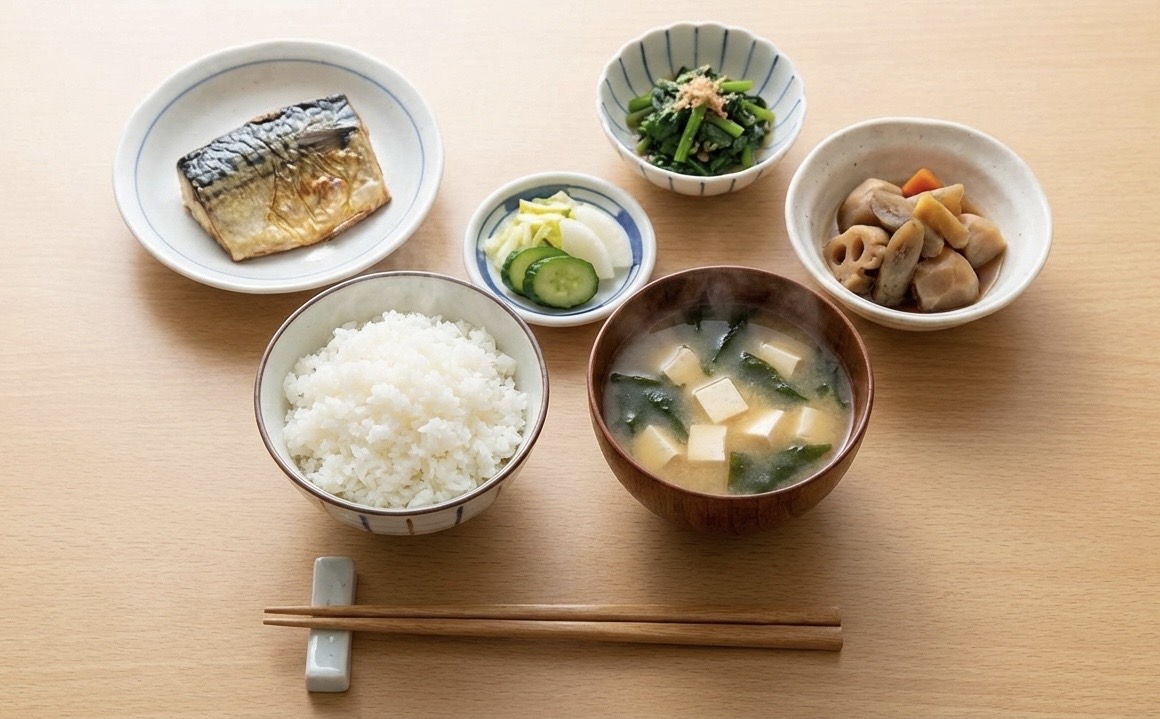
Japan is often described as a country of strict manners, especially when it comes to food. However, dining etiquette in Japan is less about rigid rules and more about consideration for others, shared spaces, and long-established cultural habits.
This guide explains Japanese dining manners from a local perspective — not to police behavior, but to help travelers understand what is appreciated, what is flexible, and what truly matters.
The Core Philosophy Behind Japanese Dining Manners
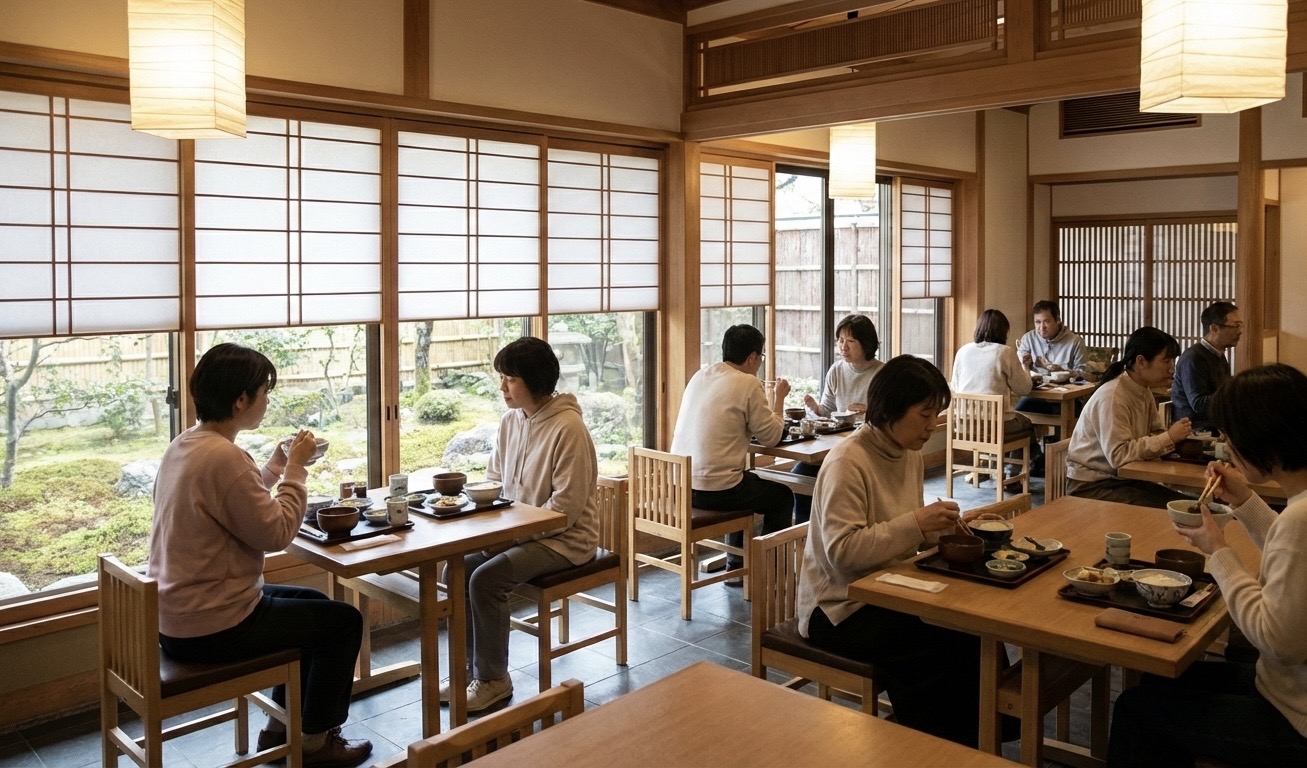
Japanese dining etiquette is built on three key ideas: respect for shared space, appreciation for food, and minimizing inconvenience to others.
Most manners are not explicitly taught or enforced. Instead, they are learned through observation and social atmosphere. This is why visitors sometimes feel unsure — the rules are subtle, not shouted.
Entering a Restaurant: What to Know
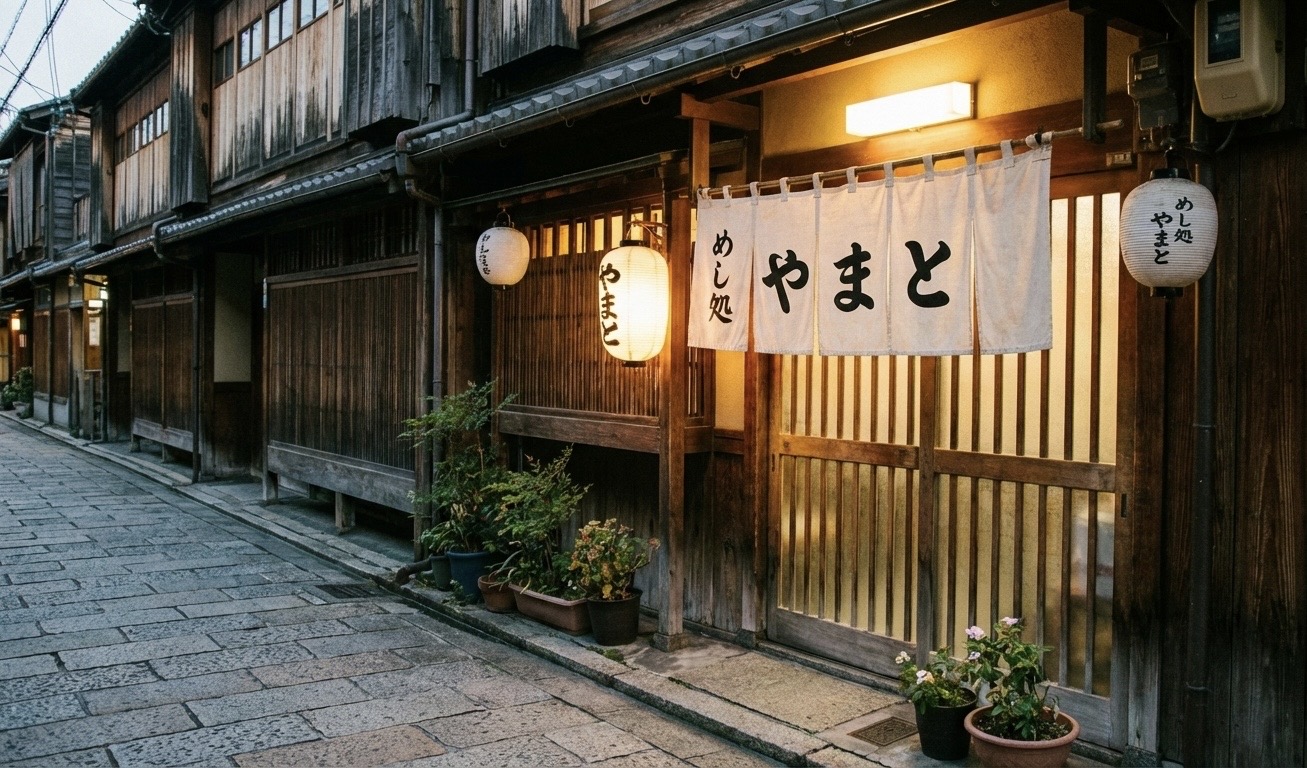
In many restaurants, especially traditional ones, you may be greeted with a cheerful “Irasshaimase.” No response is required. A simple nod or smile is perfectly fine.
In casual eateries, seating may be free, while others require waiting to be guided. When in doubt, wait near the entrance.
Ordering Food and Interacting with Staff
Pointing at menu photos is completely acceptable. Many restaurants are used to international guests and appreciate clear, simple communication.
Speaking loudly, waving hands aggressively, or calling staff repeatedly is discouraged. A gentle raised hand or eye contact is enough.
Eating Manners at the Table
Using Chopsticks
Chopstick etiquette is often overemphasized online. In reality, most mistakes are forgiven.
The main point to remember is to avoid sticking chopsticks vertically into rice — this resembles a funeral ritual. Placing chopsticks on the holder or across the bowl is fine.
Slurping Noodles Is Acceptable
Unlike many countries, slurping noodles such as ramen or soba is normal in Japan. It is seen as a practical way to eat hot noodles and can signal enjoyment.
That said, exaggerated noise is unnecessary. Natural slurping is fine.
Finishing Your Meal
Leaving a small amount of food is not rude, but finishing your meal is generally appreciated. It shows respect for the ingredients and the person who prepared them.
Paying the Bill
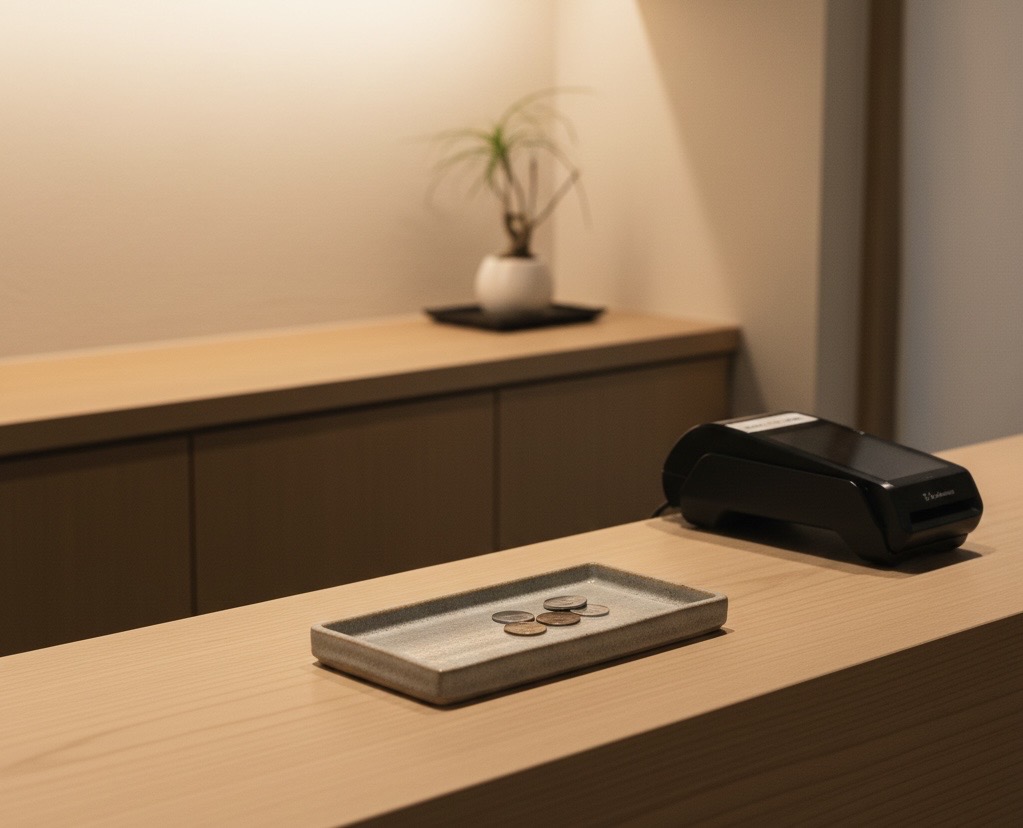
In most Japanese restaurants, payment is made at the counter, not at the table. Splitting bills is uncommon. Groups usually pay together or settle privately afterward.
Tipping is not practiced in Japan. Leaving extra money can cause confusion.
Common Myths About Japanese Dining Etiquette
Many travelers worry about “breaking rules.” In reality, Japanese people understand that visitors come from different cultures. Small mistakes are rarely judged.
Politeness, patience, and awareness matter far more than technical perfection.
A Note of Reassurance — Even Japanese People Are Not Perfect
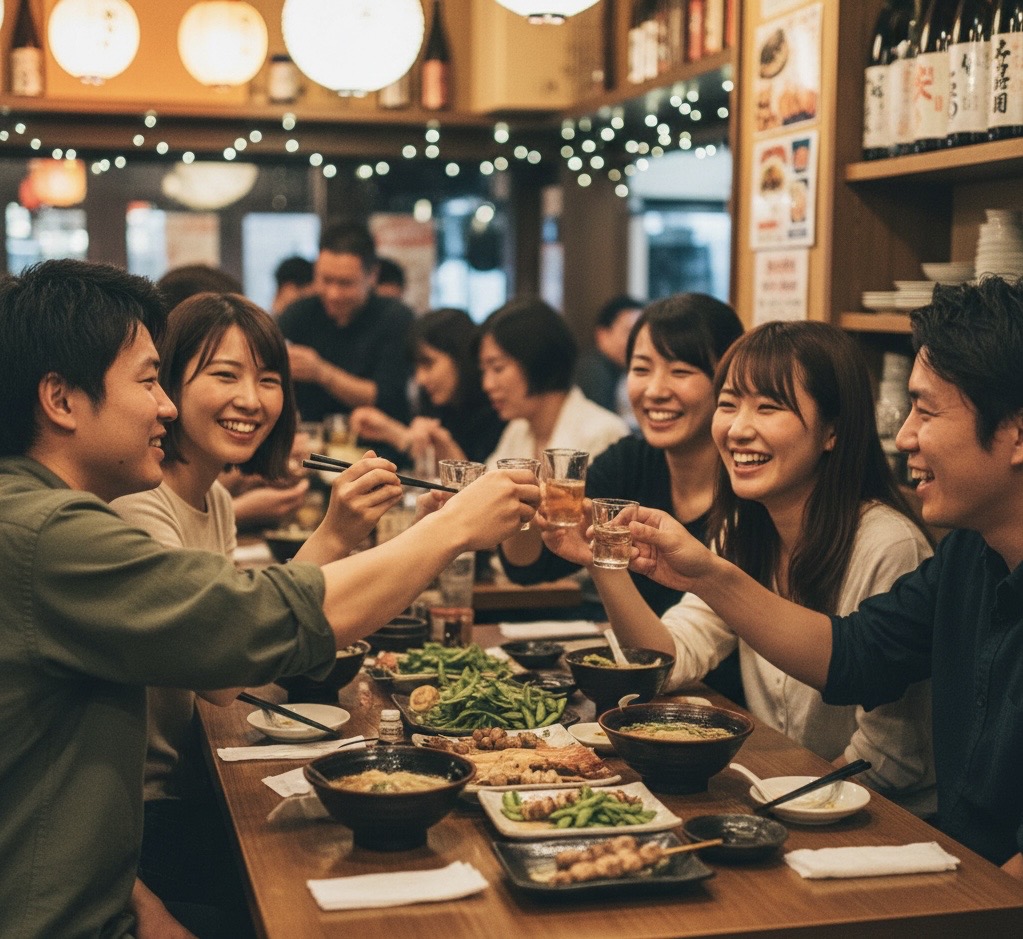
It is important to know that not all Japanese people follow etiquette perfectly. People talk loudly, check phones, or rush meals just like anywhere else.
The goal is not to be flawless, but to be considerate. If you approach dining with respect and curiosity, you are already doing enough.
Final Thoughts
Japanese dining manners are not a test. They are a reflection of how shared spaces are valued.
Relax, observe the atmosphere, and enjoy the food. That mindset matters more than memorizing rules.

Comments