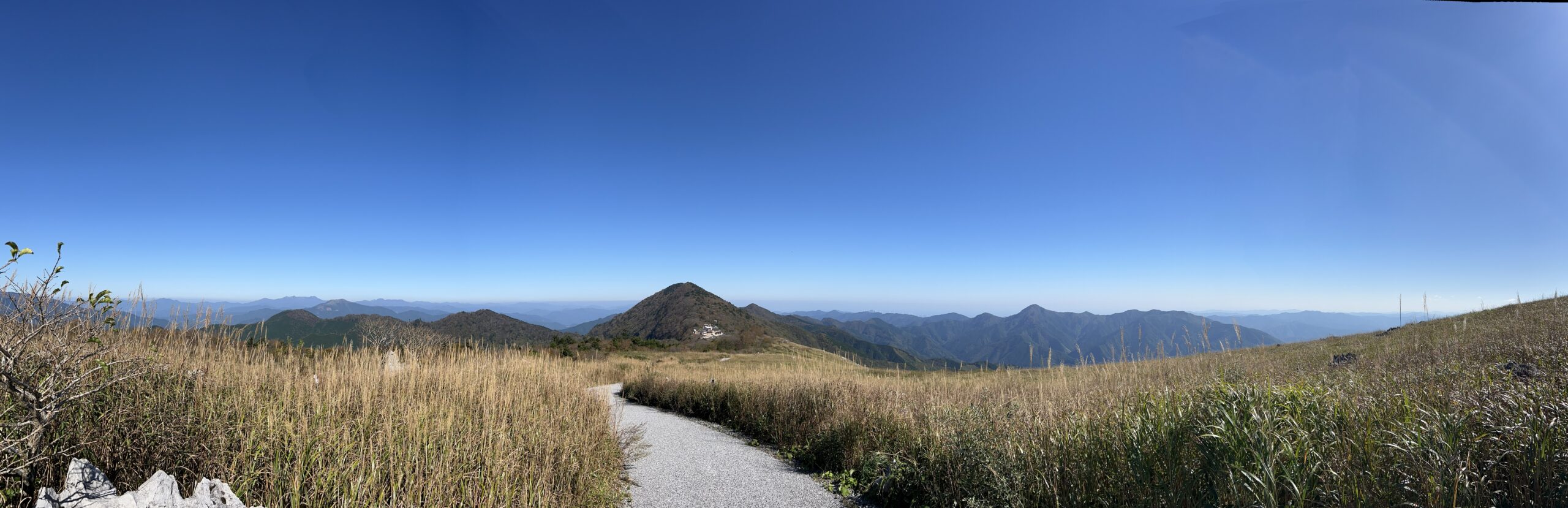
Japan boasts numerous locations known as “spectacular views.” However, many of the famous spots trending on Instagram and TikTok often turn out to be disappointing or underwhelming when you actually visit them.
On the other hand, there are many places that leave a strong impression when the timing or approach is just right, even if they aren’t well-known. This article introduces Japan’s truly spectacular spots—places worth visiting for their inherent value, rather than their popularity as tourist destinations.
Shikoku Karst (Kochi / Ehime)
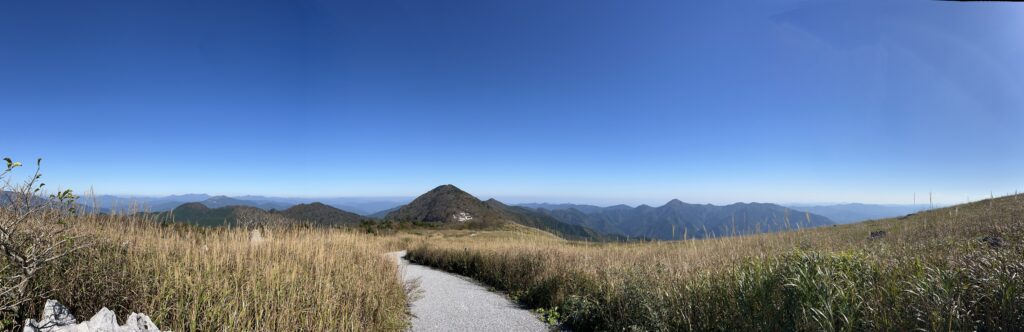
The Shikoku Karst is an area where grasslands spread across high ridgelines, offering exceptionally clear views. More than the places I stayed, it was the journey itself and the experience of driving through the region that left a lasting impression.
Driving an open-top car allows you to truly experience the scenery, including the wind and changes in the air. Roads can suddenly narrow if you veer off the main route, and in areas with little traffic, there’s a risk of falling rocks (I actually hit some with my car…). If you go, I found compact cars with higher ground clearance easier to handle than larger vehicles. The best way to enjoy the journey is in an open-top car like a Roadster. If renting a car is an option, I highly recommend it.
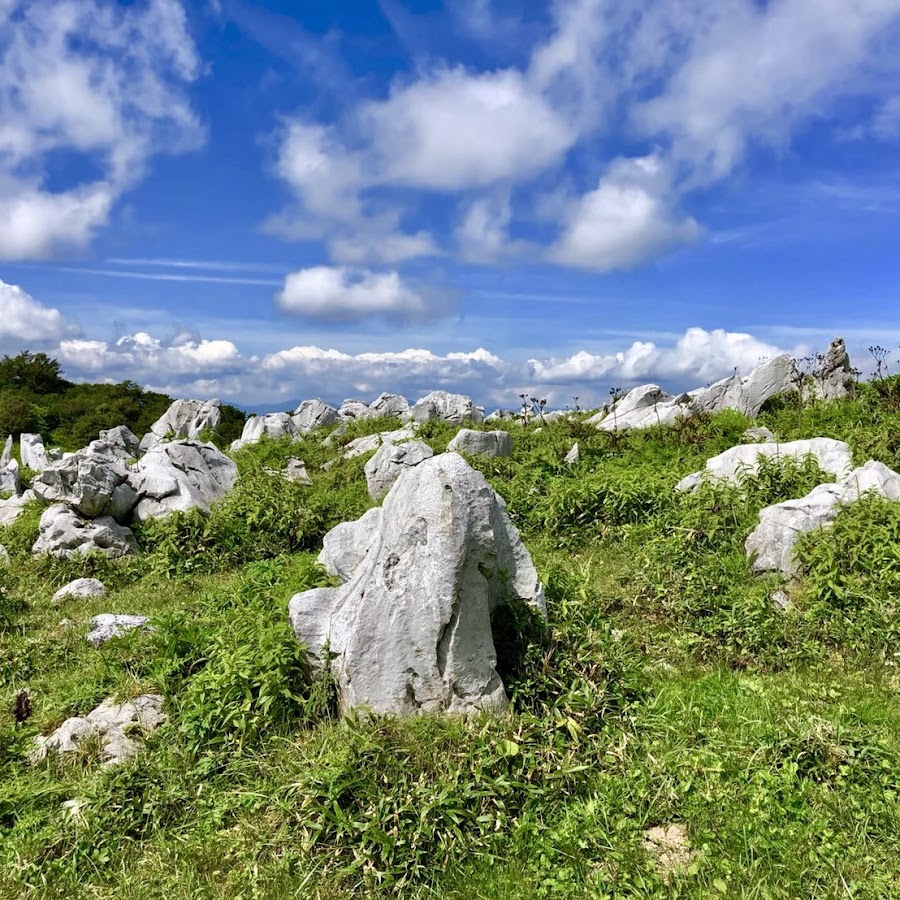
Tonomine Highlands (Hyogo)
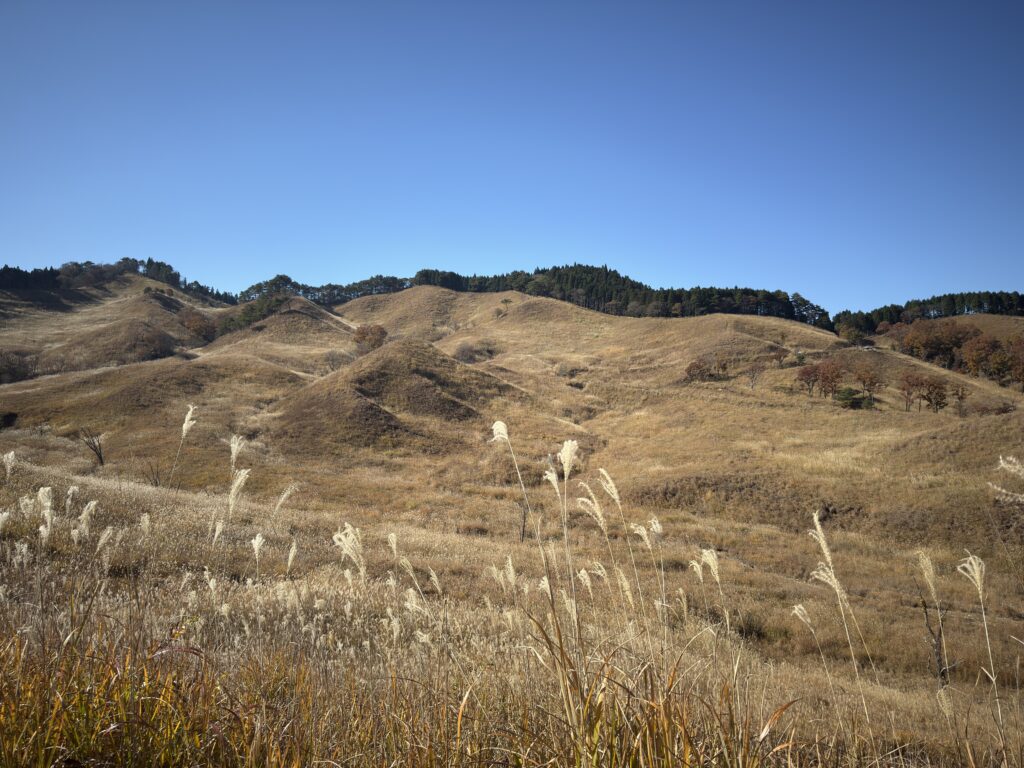
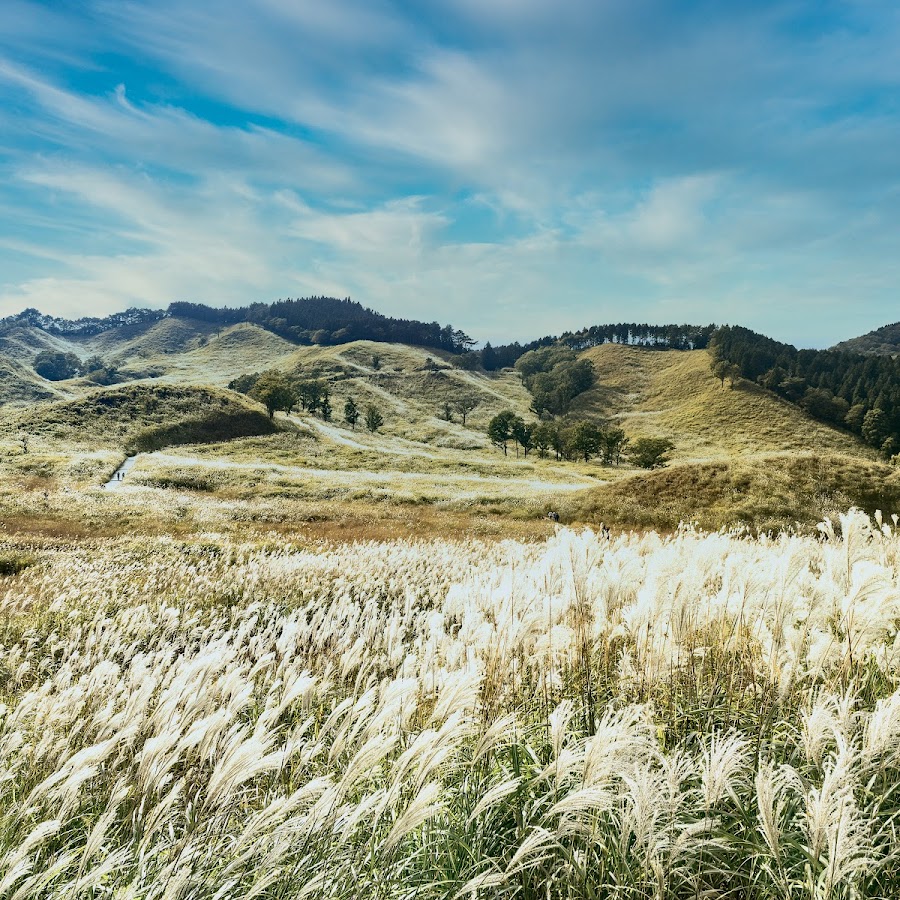
Tonomine Highlands is a place where pampas grass spreads across a gentle plateau, offering vastly different impressions by day and night. During the day, visitors can enjoy expansive views, while nighttime visits are possible for stargazing.
Parking is paid during the day (¥500, receipt provided), but free at night, making it easy to visit specifically for astrophotography. Many visitors actually bring telescopes.
However, there are three routes leading to the parking lot. The Okochi Highlands Line extending south of the parking lot’s west side is extremely narrow (less than 2m in some spots), with dense vegetation along the roadside. It is not recommended for those concerned about scratching their vehicles.
We strongly recommend using the Ichinomiya-Ikuno Line, which continues from Hase Dam.
All roads have sections with limited passing space and numerous blind corners, requiring careful driving not only at night but also during daylight hours.
Its proximity, allowing a stop on the way back from Takeda Castle Ruins, is another appealing factor, making it worth combining with that visit.
Murodo (Tateyama Alpine Route)
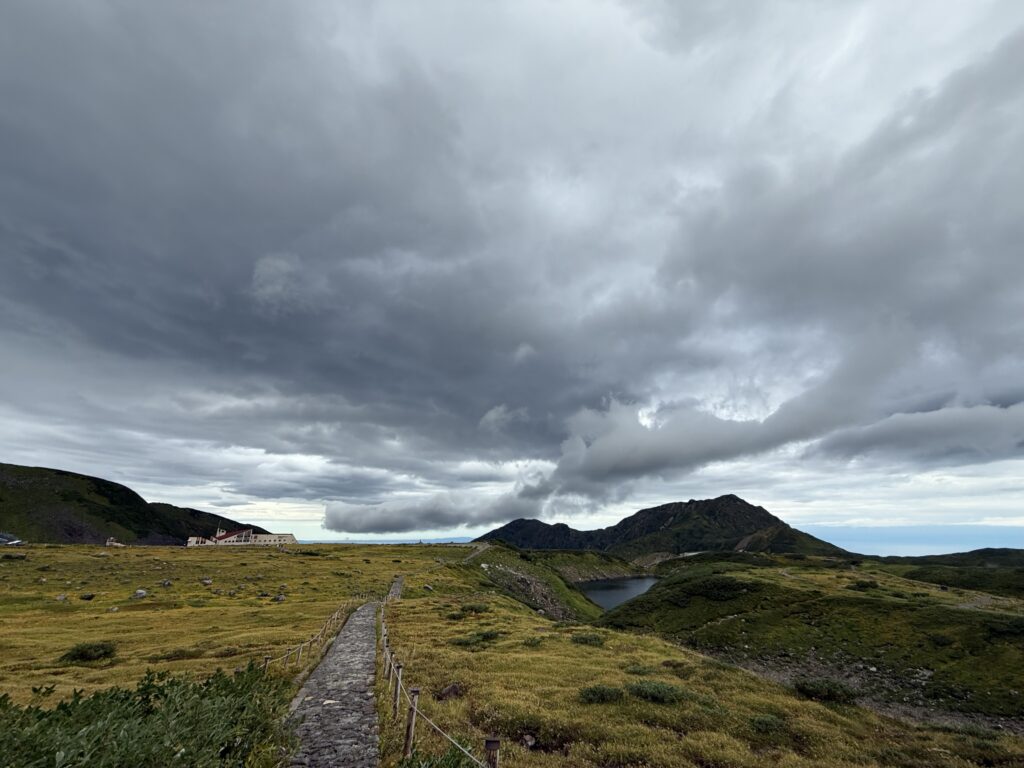
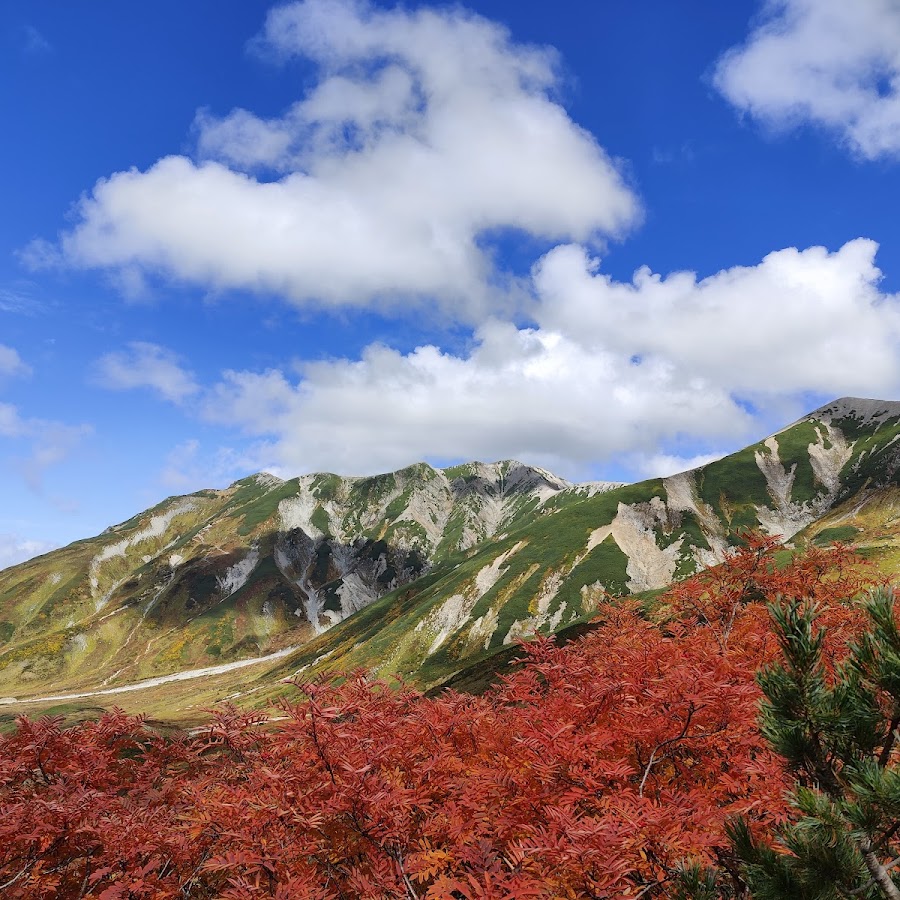
Murodo is one of Japan’s few places where you can easily experience the alpine zone. Mornings are less crowded, allowing you to enjoy the scenery in a quiet atmosphere.
Catching the very first bus is ideal, but during peak seasons like autumn foliage or heavy snowfall, it’s highly unlikely you’ll get a seat. Also, the number of reservations seems limited, so arriving early is recommended. While not peak season, around September, lining up by around 5 AM guarantees you a spot on the morning bus.
As long as you stay on paved areas like the stone-paved paths, heavy gear isn’t necessary. Warm clothing is essential, but overall, it felt more accessible than I had imagined.
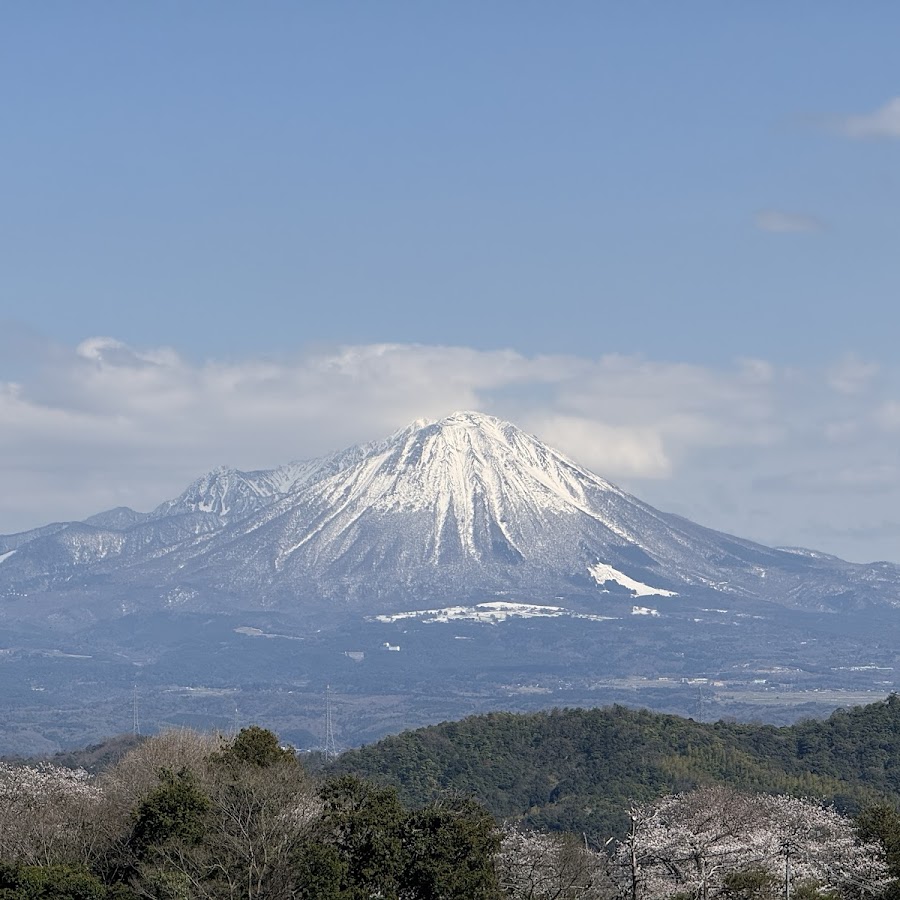
Mount Daisen (Tottori)
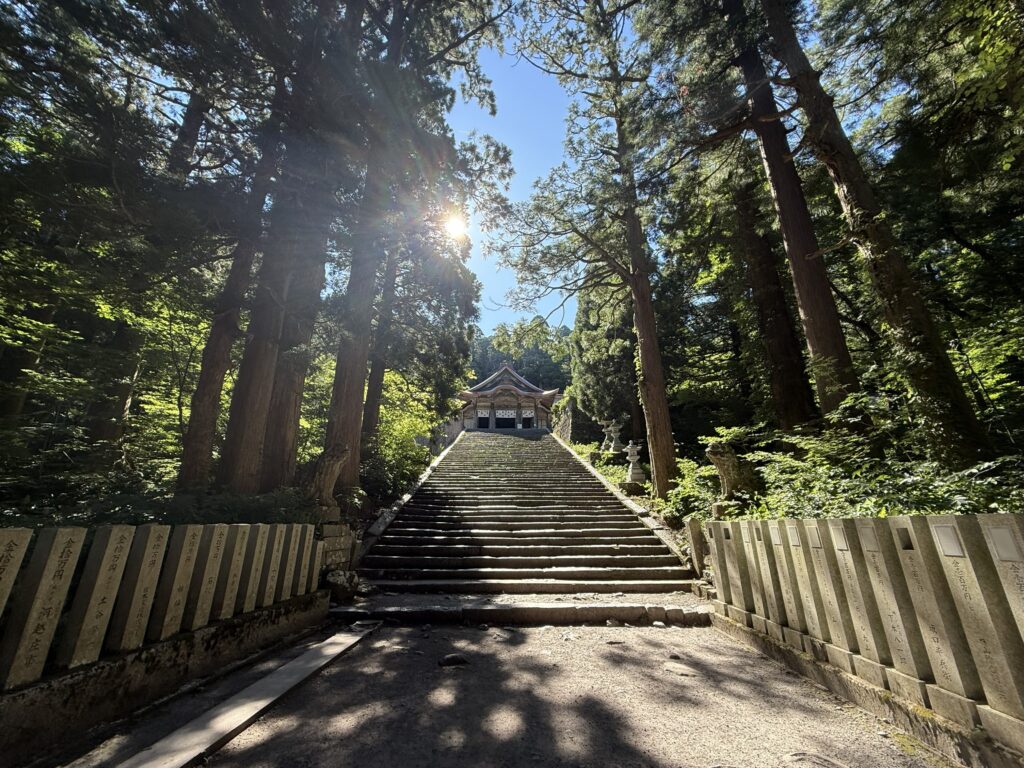
Mount Daisen is a place worth visiting for daytime worship experiences.
Especially the approach to Ōyamayama Shrine offers a continuous stretch of quiet space where you can feel the mountain’s presence.
Visiting specifically for night views is not highly recommended.
For night views, I recommend Hakodate or Kobe’s Mount Rokko.
Walking for about an hour during the day is the best way to appreciate this place.
Chirihama Nagisa Driveway (Ishikawa)
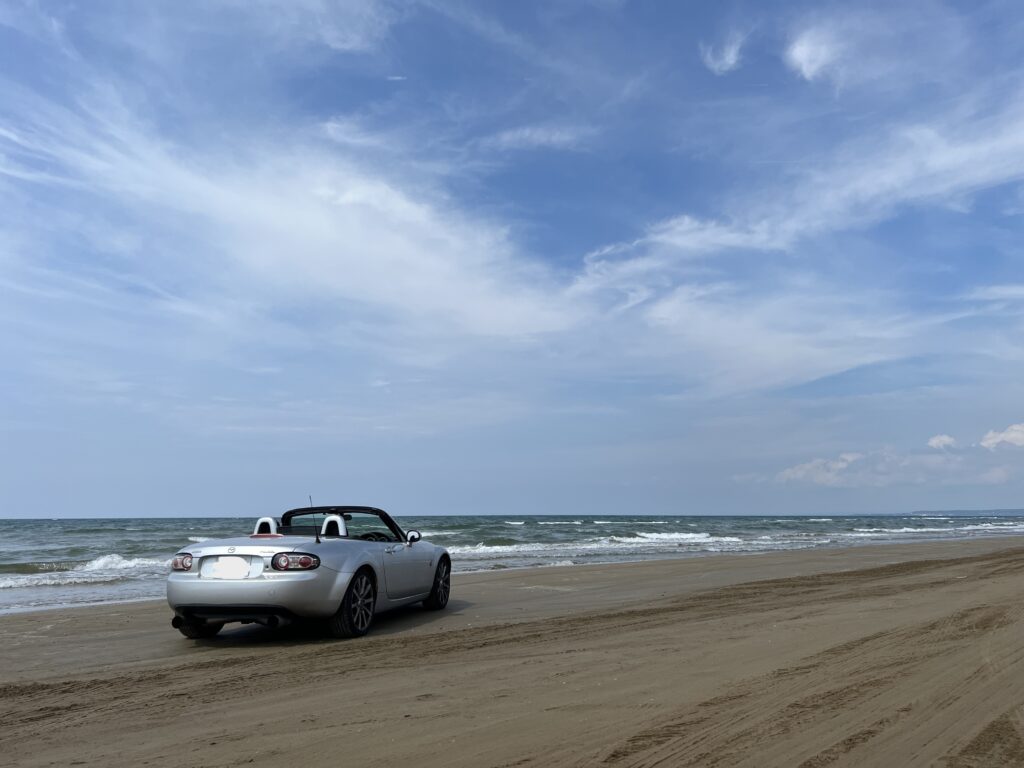
Chirihama Nagisa Driveway is a rare place where you can drive on the sandy beach.
More than the scenery itself, the driving experience leaves a strong impression.
Driving in a convertible lets you directly feel the sound of the waves and the sea breeze.
Even a short visit offers high satisfaction, making it well worth stopping by specifically for the drive.
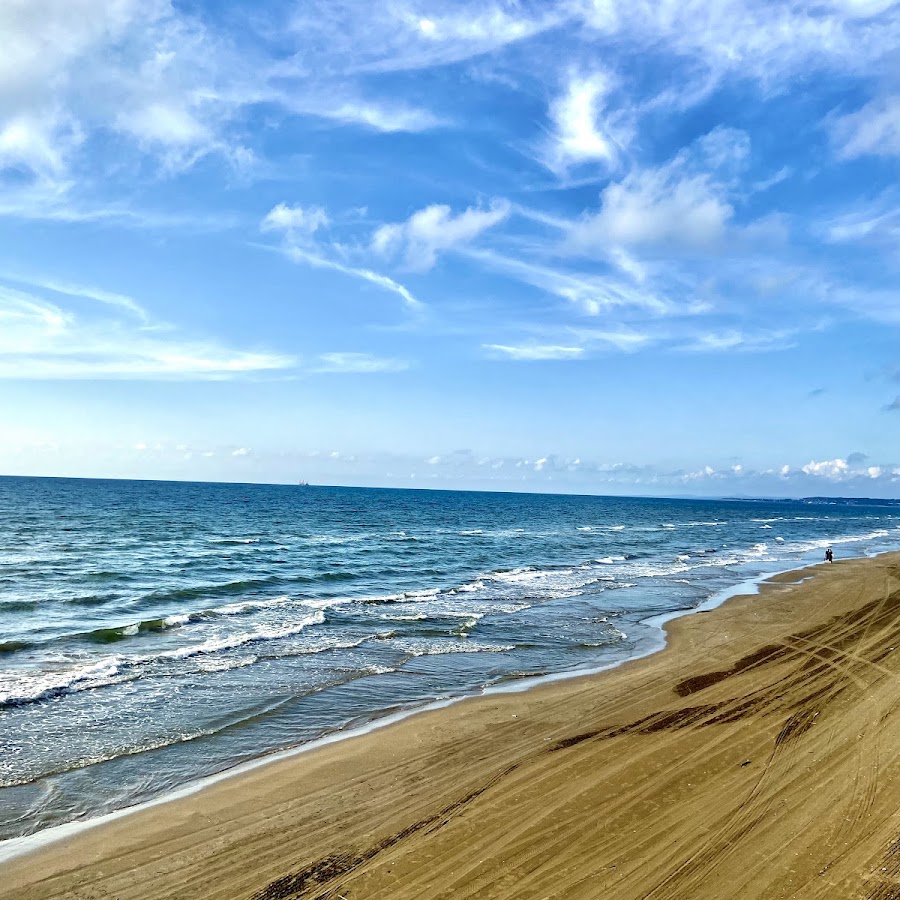
Note on Chichibugahama Beach
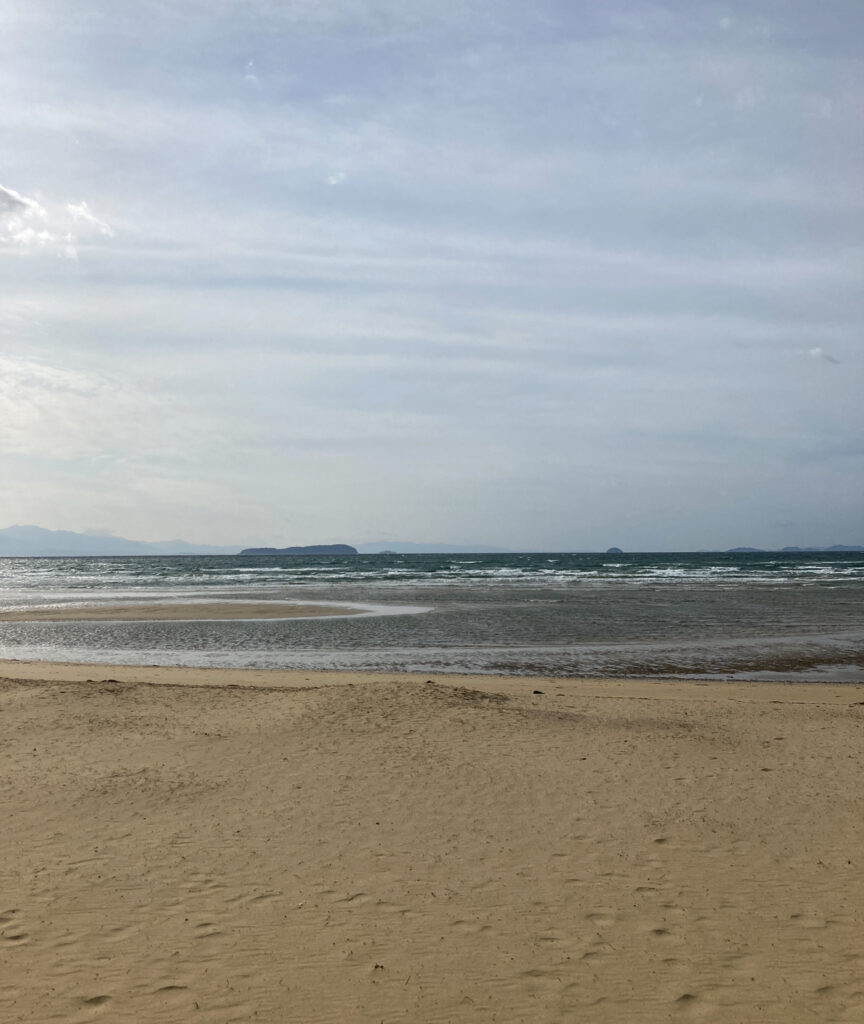
Fubugahama Beach is famous for offering photo opportunities reminiscent of Uyuni Salt Flats, but the actual site is just an ordinary shallow sandy shore. In reality, the photos are taken using puddles left on the sand, and you shouldn’t expect much more than that.
If you have time to spare, you’ll find greater satisfaction eating udon nearby or heading to Kotohira Shrine.
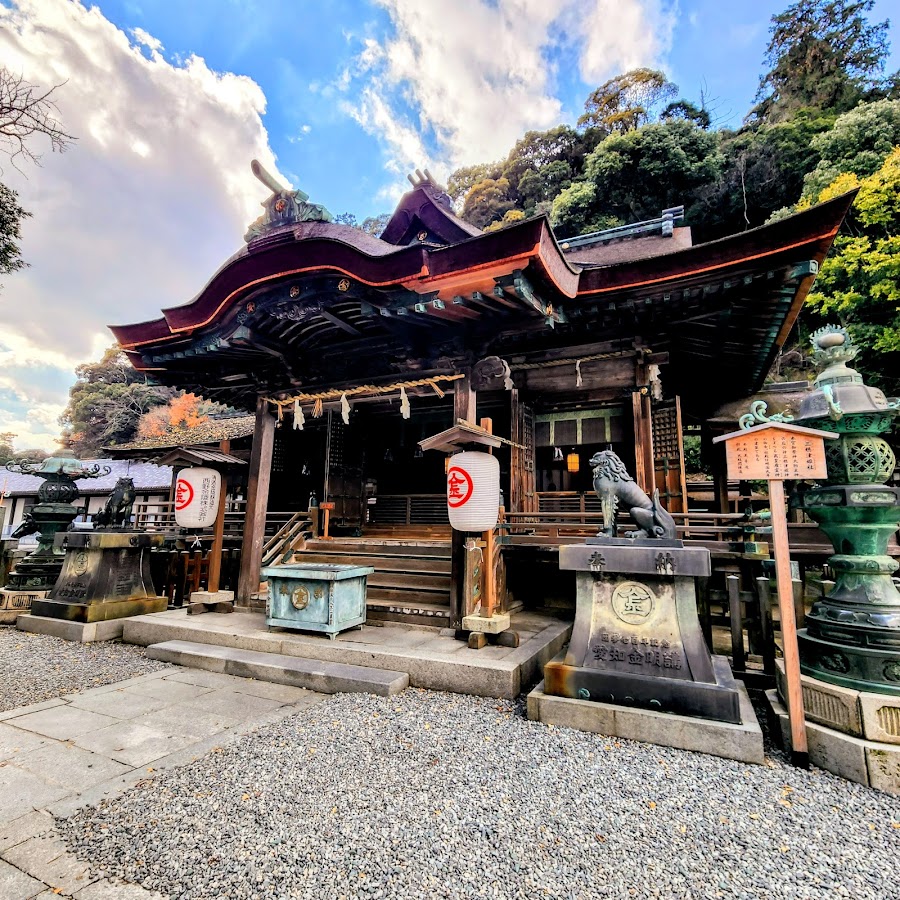
The value of scenic places in Japan often depends more on timing and access than on reputation. These locations were selected based on direct experience, not popularity rankings.

Comments